PUBLISHED AUGUST 2026 • 8 MIN READ
Technology Leadership Starts with the Problem
Technology careers are often described through programming languages, systems, and job titles. In Episode 3 of The Byte by Byte Podcast, Riad Hasan offered a broader perspective: technology creates value when it solves a real problem for people or a business.
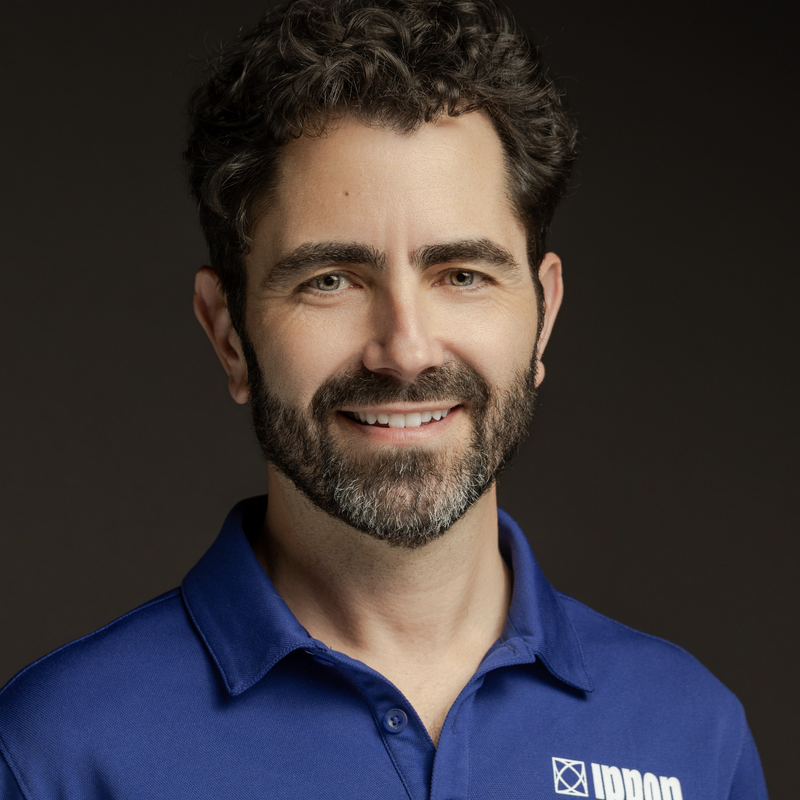
Riad has spent more than two decades working at the intersection of insurance, business, and information technology. Today, he serves as a fractional chief technology officer, stepping into small and midsize insurance companies when they need experienced technology leadership for a specific period or challenge.
His story shows that a successful technology leader does more than understand systems. The role requires listening, translating business needs, guiding teams, managing risk, and communicating clearly enough for an organization to move forward together.
“I like to bring improvements to insurance companies using technology.”
An Unexpected Path into Technology
Riad earned his bachelor’s degree in chemical engineering, but his first practical experiences with computers opened a different path. As a college student on a work-study program, he helped run computer labs, supported students who were learning to use computers, assisted with printing and file recovery, and later helped upgrade campus networks and servers.
Those hands-on experiences arrived during the early days of personal computing and the internet. By graduation, he had enough real-world IT experience to choose between chemical engineering and technology opportunities. He followed the work that interested him most and began his professional career supporting infrastructure and networking.
His journey is a useful reminder for students: a degree may provide direction, but projects, jobs, clubs, and unexpected opportunities can reveal strengths that a classroom alone cannot.
From Individual Contributor to Global Leader
Early in his career, Riad’s impact was defined by what he could produce individually. Over time, he realized that he also enjoyed influencing others and leading teams. He asked his managers for the opportunity to supervise a small group, learned from that experience, and gradually expanded his responsibilities.
Eventually, he led organizations of more than 200 people across local, national, and global teams. Scaling leadership required a different skill set: setting direction, building layers of capable managers, measuring results, and ensuring that the organization’s investment in technology produced meaningful value.
Experience also changed his leadership style. Riad learned that demanding maximum output every day can lead to burnout. Giving people room for family, illness, and life outside work helped build trust, improve retention, and create stronger long-term performance.
“You’ve got to strike a balance and build the right relationships with your team.”
Turning Security Innovation into Patents
One of the most distinctive parts of Riad’s career involved patented data-security work at an insurance company. At a time when today’s standardized security products were not widely available, he and a colleague created technology for encrypting documents and securely exchanging them with outside organizations.
Their work covered both the technology itself and the process through which authorized partners received keys and accessed protected files. With support from company attorneys, they researched related inventions, documented what was new, and submitted the work through the United States patent process.
The experience demonstrates that innovation is not limited to inventing a completely new object. A patentable contribution may also be a new technical process or a new way of applying existing tools to solve a difficult problem.
What a Fractional CTO Actually Does
A fractional CTO provides senior technology leadership for a defined period rather than joining a company indefinitely. An organization might have lost its technology leader, lack the budget for a permanent executive, or need an experienced person to deliver a major initiative before handing responsibility to a long-term hire.
Riad begins by listening. During the first 30 to 60 days, he meets with the CEO and other senior leaders, studies the organization’s challenges, and determines where technology is helping—or holding the business back. Only then does he move into budgets, solution design, staffing, timelines, execution, and measurement.
Moving too quickly can create waste and rework. Moving too slowly can leave a company implementing technology that is already outdated. The CTO’s job is to make those tradeoffs visible and help executives choose a path with a clear understanding of cost, risk, timing, and expected results.
“You cannot overcommunicate.”
AI Will Change the Work—Human Oversight Still Matters
Riad expects artificial intelligence to reshape traditional technology roles. AI tools can already generate code, help business teams create internal applications, and compress work that once moved between analysts, developers, testers, and deployment specialists.
That speed creates opportunity, but it also raises questions. Who will maintain a growing collection of AI-generated tools? Will teams understand how those systems work? What happens when people lose foundational skills because automated tools handle every routine decision?
His comparison to GPS is especially useful. Navigation tools made travel easier, but many people lost the ability to read maps. When AI influences higher-stakes decisions, losing the underlying knowledge can be far more consequential. Automated recommendations must be monitored, questioned, and governed by people who understand the context.
Advice for Students Entering Technology
Riad encouraged students to expect change rather than prepare for one fixed version of a technology career. Software will continue to evolve alongside AI, while hardware, computing infrastructure, and storage will remain essential to everything those systems do.
Students who can explore both software and hardware will gain a wider view of the field. Just as important, they should build the durable skills that appeared throughout Riad’s career: problem solving, communication, business understanding, adaptability, leadership, and the willingness to learn through hands-on experience.
KEY TAKEAWAYS
Five Lessons from Riad Hasan
✅ Start with the problem, not the technology.
✅ Hands-on experience can reveal an unexpected career path.
✅ Empathy creates stronger, more sustainable teams.
✅ Innovation can be a product, an idea, or a better process.
✅ AI needs informed human oversight.
WHY THIS MATTERS
Leadership Connects Technology to Impact
Riad’s career shows how technical knowledge grows more valuable when paired with communication, judgment, and an understanding of the people and organizations technology is meant to serve.
Final Thoughts
Riad Hasan’s path—from a chemical engineering student helping classmates in a computer lab to a patented inventor and fractional CTO—was shaped by curiosity, practical experience, and a willingness to take on new responsibility.
Technology will keep changing. Job titles, tools, and workflows will change with it. The professionals who create lasting value will be those who can learn continuously, solve the right problems, communicate honestly, lead with empathy, and know when technology still needs a human decision.