PREVIOUS ARTICLE
AI
EPISODE 01
Why Most Companies Fail at AI
Dr. Peter Aiken explains why trustworthy data, not bigger AI models, is the true foundation of successful artificial intelligence.
Read Publication →
FEATURED PUBLICATION
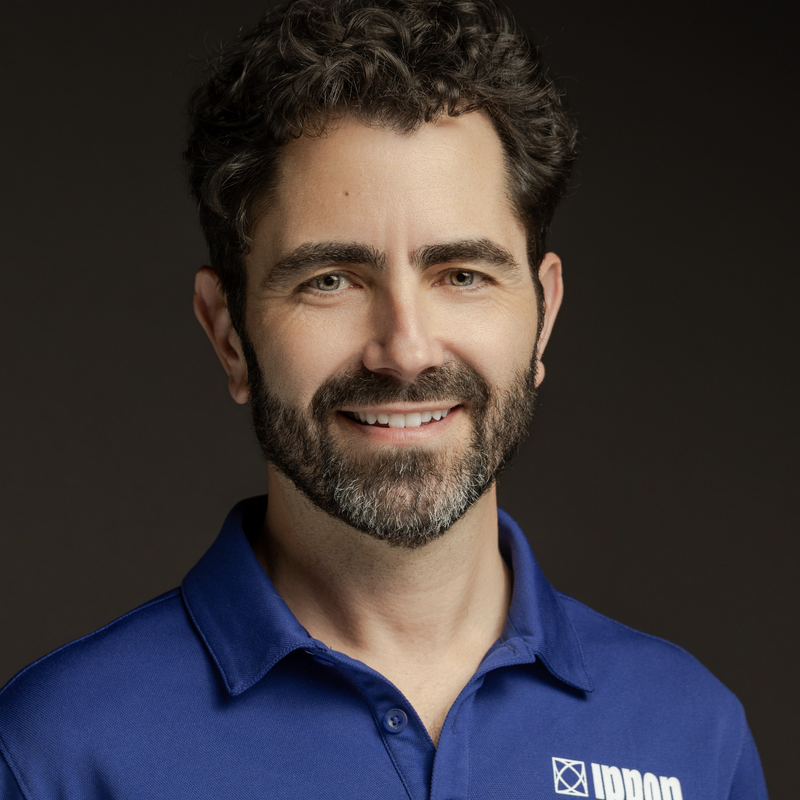
A conversation with Romain Lheritier, CEO and Co-Founder of Ippon Technologies, exploring artificial intelligence, engineering culture, ethical leadership, and why curiosity may become every engineer's greatest competitive advantage.
Published August 2026 • 8 minute read
Artificial intelligence is changing nearly every aspect of technology. Software is being written faster, business decisions are becoming increasingly data-driven, and automation is transforming industries at an unprecedented pace. Amid this rapid evolution, one question remains: What skills will still matter when AI can perform many of today's technical tasks? In the second episode of The Byte by Byte Podcast, I spoke with Romain Lheritier, CEO and Co-Founder of Ippon Technologies, about the future of AI, ethical leadership, engineering culture, and why curiosity— not just technical expertise—will define the next generation of technology professionals. Throughout our conversation, one message became clear: Technology will continue to evolve, but leadership, communication, and continuous learning will always remain human advantages.
Romain's journey into technology began long before cloud computing and artificial intelligence became everyday terms. After receiving his first computer as a child, he discovered programming and quickly developed a passion for solving problems through software. That curiosity eventually led him into technology consulting, where every project introduced new industries, new challenges, and new opportunities to learn. Rather than viewing technology as a destination, Romain sees it as a lifelong learning process. Today's engineers cannot rely solely on the skills they learned in school. Success depends upon remaining adaptable as new technologies continue to emerge.
"The engineers who keep learning will always stay ahead of the technology."
Artificial intelligence is often discussed through the lens of automation and job displacement. Romain offered a more balanced perspective. Within Ippon Technologies, AI has become an everyday productivity tool. Engineers use it to accelerate software development, improve workflows, generate ideas, and solve problems more efficiently. Yet despite these advantages, Romain emphasized that AI should never replace human judgment. Instead, organizations should use AI to strengthen human capabilities while ensuring people remain responsible for critical thinking, creativity, ethical decision-making, and leadership. The future belongs not to those who avoid AI, but to those who learn how to collaborate with it responsibly.
"Artificial intelligence should amplify human potential—not replace it."
While optimistic about AI's future, Romain also discussed the risks that accompany rapid adoption. One challenge he highlighted is what many organizations now refer to as Shadow AI. Employees increasingly experiment with AI tools without formal organizational approval. Although these tools often improve productivity, they may also expose confidential information, proprietary code, customer data, or internal business knowledge. Without thoughtful governance, businesses risk creating security vulnerabilities while pursuing efficiency. Responsible AI therefore requires more than powerful technology. It requires clear policies, education, transparency, and leadership.
"Innovation moves fastest when responsibility keeps pace."
Artificial intelligence depends upon reliable information. Romain explained that many organizations accumulate years of technical debt while expanding their technology ecosystems through acquisitions, migrations, and new software platforms. Over time, inconsistent systems produce inconsistent data. The consequences appear throughout the organization:
Cleaning and governing enterprise data may not receive the same attention as AI models, but it remains one of the most valuable investments any organization can make. High-quality data creates trustworthy insights, stronger decision-making, and more reliable AI systems.
One of the most compelling parts of our discussion centered on engineering culture. At Ippon Technologies, hiring extends beyond technical ability. Curiosity, adaptability, and learning velocity often matter even more. Programming languages evolve. Frameworks change. Artificial intelligence continues advancing. The engineers who remain successful are those willing to learn continuously throughout their careers. Employees are encouraged to earn certifications, participate in technical communities, share knowledge, and invest in lifelong professional development. Learning is not treated as an occasional activity. It is part of the culture.
"The ability to learn quickly may become the most valuable technical skill of all."
As artificial intelligence automates repetitive technical tasks, uniquely human skills become increasingly valuable. Romain believes tomorrow's technology leaders will distinguish themselves not simply through technical knowledge, but through their ability to lead people, communicate ideas, and inspire innovation. Software engineering has never been solely about writing code. Successful engineers spend much of their careers collaborating with teammates, presenting ideas, understanding customer needs, and solving business problems. Artificial intelligence can assist with implementation, but leadership remains deeply human.
"Technology evolves quickly. Great leadership endures."
Another recurring theme throughout our discussion was the importance of professional relationships. Networking is often misunderstood as simply finding the next internship or job opportunity. Romain offered a different perspective. Networking is about discovering new ideas, learning from others, and building relationships before you need them. Technology communities provide opportunities to exchange knowledge, collaborate on projects, and develop friendships that may influence an entire career. As he explained, networking today creates "future luck" tomorrow. Those conversations often lead to opportunities that cannot be planned in advance.
"The people you meet today may create opportunities years from now."
Throughout the interview, Romain shared several lessons for students preparing for careers in technology. Rather than chasing every new trend, he encouraged students to build strong foundations while remaining open to continuous learning. Three recommendations stood out.
Artificial intelligence is incredibly powerful, but it cannot replace an understanding of networking, software engineering, databases, algorithms, and systems thinking. Students who understand the fundamentals will be better equipped to evaluate AI-generated solutions critically.
Communication, teamwork, leadership, presentation skills, emotional intelligence, and curiosity will become increasingly valuable as AI automates more technical work. These abilities allow engineers to influence decisions, build trust, and lead organizations through change.
School offers much more than lectures and assignments. Students have access to experienced educators, mentors, classmates, clubs, research opportunities, and professional organizations. Some of the most valuable lessons may come from experiences outside a student's original career plan. Remaining curious often opens unexpected doors.
KEY TAKEAWAYS
✅ Curiosity creates long-term success.
✅ AI should strengthen human capabilities.
✅ Strong data remains essential for trustworthy AI.
✅ Leadership and communication are competitive advantages.
✅ Continuous learning is the foundation of every great
technology career.
WHY THIS MATTERS
Artificial intelligence will continue reshaping software development and business operations. However, organizations will continue relying on people who can think critically, communicate effectively, lead teams, and learn continuously. Technology may become more intelligent, but human curiosity will remain one of the most valuable skills of all.
As artificial intelligence continues transforming nearly every aspect of technology, it is easy to become captivated by the remarkable capabilities of machines. Romain Lheritier offered an important reminder throughout our conversation: Technology alone does not create impact. People do. Organizations need engineers who remain curious, leaders who communicate effectively, and professionals who embrace continuous learning as a lifelong commitment rather than a temporary goal. The future of artificial intelligence will not be shaped only by better algorithms. It will be shaped by thoughtful people who understand how to use technology responsibly, collaborate effectively, and continue learning throughout their careers. For students entering technology today, those human qualities may become the greatest competitive advantage of all.
ABOUT THE GUEST
Romain Lheritier is the CEO and Co-Founder of Ippon Technologies, a global technology consulting company specializing in software engineering, cloud computing, artificial intelligence, and digital transformation. Throughout his career he has championed continuous learning, responsible innovation, engineering excellence, and people-first leadership while helping organizations modernize technology and build high-performing teams.
ABOUT THIS PUBLICATION
Every episode of The Byte by Byte Podcast is transformed into a professionally written publication. Rather than simply summarizing an interview, each article expands upon the ideas discussed, highlights practical lessons, and preserves valuable insights for students, educators, and professionals interested in technology and innovation. My mission is to make conversations with industry leaders accessible long after the podcast ends.
PODCAST EPISODE 02
Watch the complete conversation with Romain Lheritier as we discuss artificial intelligence, engineering culture, leadership, continuous learning, responsible innovation, and the future of software development.
Watch on YouTube ↗EPISODE 01
Dr. Peter Aiken explains why trustworthy data, not bigger AI models, is the true foundation of successful artificial intelligence.
Read Publication →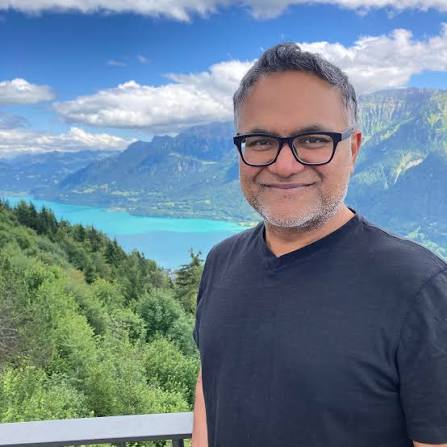 EPISODE 03
TECHNOLOGY LEADERSHIP
Riad Hasan shares lessons about fractional CTO leadership, patented data security, empathetic teams, and human oversight in the age of AI.
Read Publication →MY MISSION
Discover how The Byte by Byte connects students with industry leaders through podcasts, publications, and educational technology content.
About the Project →